Selected Scenes: The Canterbury Tales

A spoiler-heavy multi-scene film review & analysis.

vlcsnap-2020-04-22-12h20m13s336

The late, great, Italian multi-disciplinary artist and filmmaker Pier Paolo Pasolini wasn’t always about doom and gloom and the dark side of the human condition. His trio of films dubbed the “Trilogy of Life”, adapted from three prolific tomes of short stories, is as light and airy as your garden-variety Italian sex romp: something the filmmaker specifically hated hearing. But it’s true, and that’s not to fault it! His “Canterbury Tales” adaptation is wedged between his cinematic depictions of The Decameron and One Thousand and One Nights, respectively, and his detached filmmaking style lends itself nicely to the non-streamlined essence of the picture.

Continue reading

susanna

A short story for mature readers.

“Despite nature working against him, a stepfather learns to take responsibility for his new daughter.”

the stepfather didnt assume anything the day his girlfriend told him that she had a two year old daughter. that was fifteen years ago. things were different. he wasnt bombarded by calls to shelter youth the way he is now, by the government and other parents. people are scared. and in many ways the stepfather agrees with them. modern life is a breeding ground for deviants. he wonders if he would have the same opinion if he had walked away, during the date at the restaurant where she told him. he liked lucille. the night of the fifth date they finally had sex after fooling around as far as a young couple could without performing the act itself. he couldnt wait to see her the next night, but sitting down at the table with her already waiting for him felt eagerly pessimistic. she told him about her daughter. who was the father? she told him that too. he could tell she was nervous, the way she held him tight with one hand and collected herself with the napkin she held in the other. when the dinner was over they hugged it out and went to a movie. it was too early to go home. what if he said no? then he would still be in his forties now, still trying to reconcile the missing pieces of his own adolescence. but he would be single. and he wouldnt have susanna. by all accounts he is her stepfather. and try as he may to do the best that he can, she is seventeen now and it is almost too late. evenings spent just the two of them kindling their bond were only embers. he is okay with that. she isnt his kid, as much as he feels like she is. there is still a beacon that goes off inside him any time he wants to question that blossoming independence. maybe he should have been harder on her? more of a disciplinarian? lucy couldnt handle that. no, he decided to leave most of the parenting to her. he just had to. lucy had problems of her own. has. she has to be his primary responsibility, and susanna hers.

Continue reading

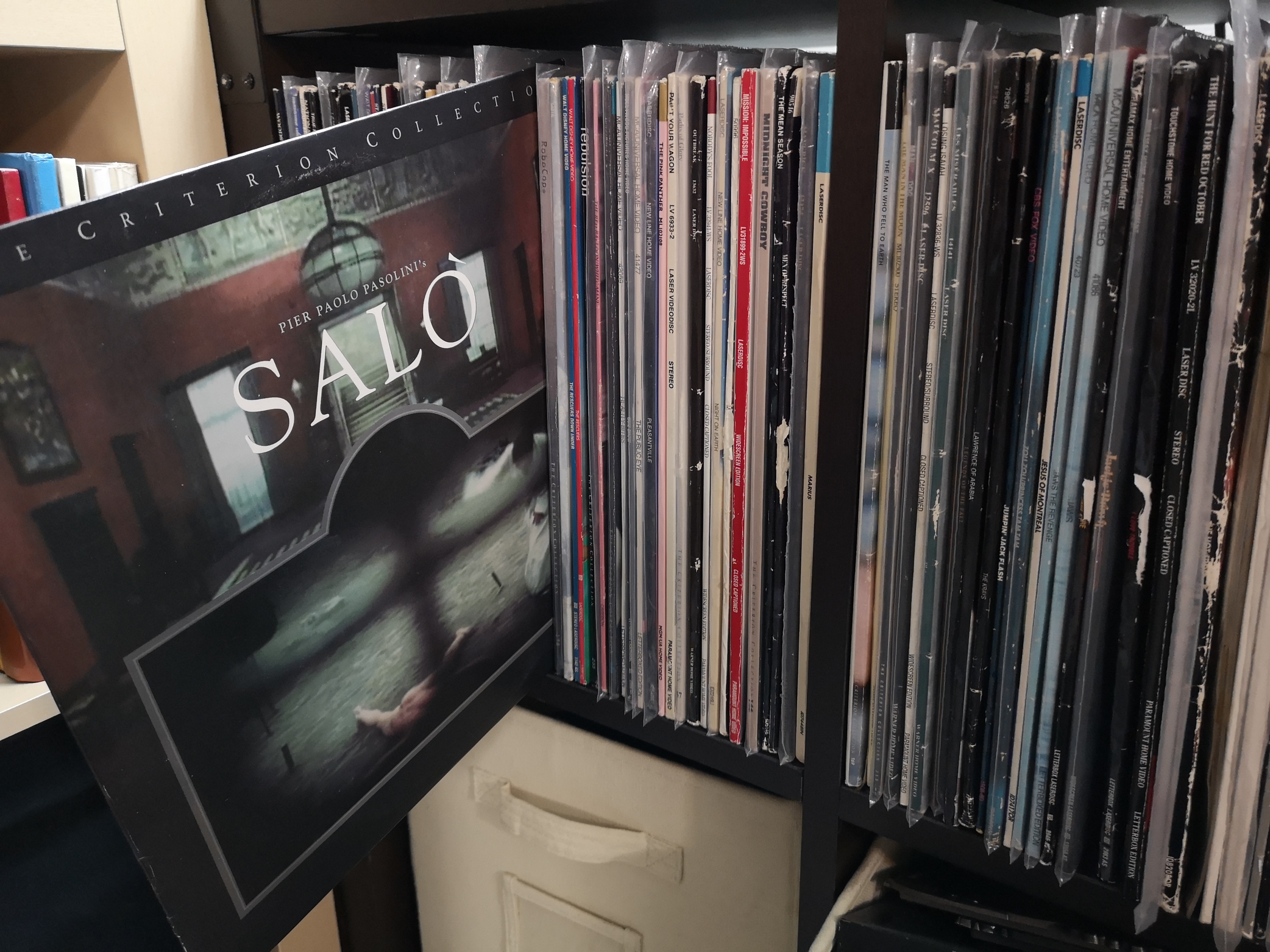
Now Available on Laserdisc: Salo

IMG_20200213_080903

I’m an odd guy. I like odd movies; especially ones that elicit a reaction. For a long time, the late Italian independent filmmaker Pier Paolo Pasolini’s final film Salo – an adaptation of the Marquis de Sade’s final novel – was the defacto choice when it came to disturbing, shocking cinema. Sure, there have been more horrifying movies released since, depending on one’s own preferences: August Underground; I Spit on Your Grave (any of them); Irreversible; Hereditary, to name a few. Any one of these could be a “jumping-off point” for future-filmmakers with a skewed world-view, but my own entry-point was Salo. I couldn’t tell you how I first came to know about it – probably from some Internet forum – but I can tell you how I came to watch it. Salo is a part of the Criterion Collection: a maverick distributor that secures the rights to oft-forgotten classics and international cinema (and movies that no one else seems to want to deal with, like Lena Dunham’s Tiny Furniture and Bowling for Columbine) and releasing expansive special-edition sets that cost an arm-and-a-leg for. It seems they are contented now with putting out anything that isn’t tied down, but back in the day you could count on a Criterion release – whether that was Laserdisc or DVD – to be the definitive edition of an otherwise-lost film.

Continue reading