i’ll have the news on to catch the top stories but after a few minutes it’s purposeless – they’re all the same bullet points from yesterday through a perspection of passing time:
some people died and one famous about to; displaced persons from a camp removal; one’s a terrorist about to be tried; another one biding to be penalized; global warming at an all-time high; random attacks on the rise; car pile-up on the ninety-nine…
by then all i feel is empty inside: it sounds like a Saturday night of gaming than a generation’s place in humankind. i put a CD i’ve heard a thousand times in the drive that doesn’t come standard with new models of that type, because i’d rather hear Morrissey whine than to face my own materiality of being alive.
when my world ends, i don’t want it to be from a shot to the head or an environment that kills me in earnestness or even just peacefully laying in bed:
The final entry in the “Shotgun Room” trilogy. For mature readers.
“An aging philanthropist experiences first-hand the justice system of a near-apocalyptic future.”
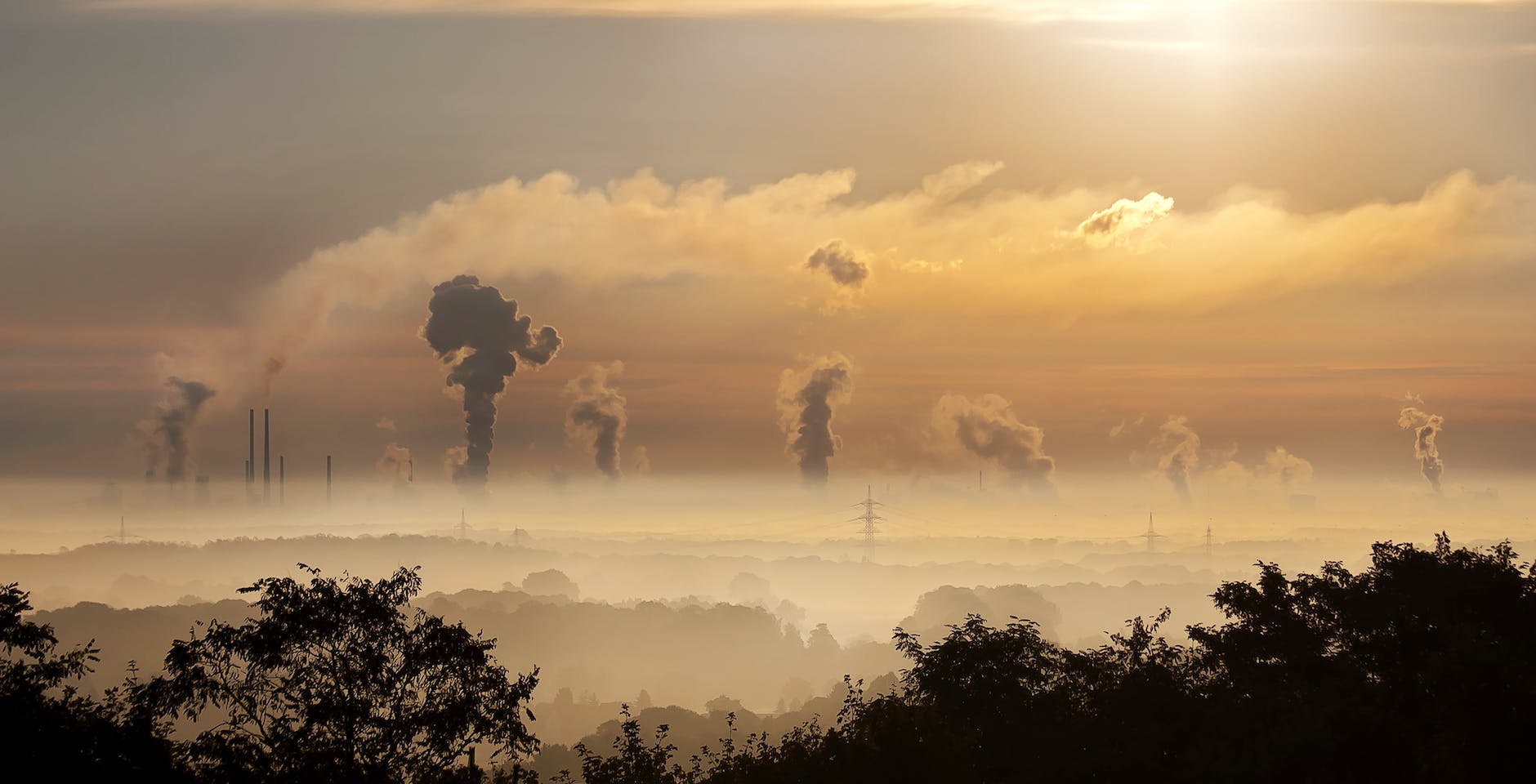
In forty years Roy had been driving, he never had a parking ticket. He had never been convicted of a crime in his lifetime, and his police record was spotless. But in the world of today, that didn’t matter. The socially-constructed walls of political government didn’t work anymore, and people had begun to stray, even if Roy remained a saint: never deviating, never surrendering. He had persevered during the initial food shortages that plagued the middle-classes, and managed to clear the hump when most thought things could only get better. And then global warming hit. His house was paid-off and nested on an embankment that was high enough for the rising ocean levels to wipe out the communities below but not enough to take him with them. They didn’t even get so high as the support beams, but Roy felt no pride in his investment. And when the tide warning was issued, he was no slouch to doing his part: he opened his doors and let in the waterfront refugees. It was the least he could do: he hadn’t been to a Lions meeting since they disbanded in his area. It was too hard to get around anymore anyway, what with his sciatica and his athlete’s foot and, well, he didn’t really feel like talking about it. He just appreciated the company, feeding the displaced families with the canned goods he had accumulated in his basement from years of stocking-up. Sure, when the initial wave was over, he never received a medal, or a commendation from the Mayor, or a pat-on-the-back from any of the bureaucrats who seemed to permeate the halls of the directorate these days, but Roy had been doing his civic duty his whole life and he wasn’t ready to start asking for charity now. He was one of the good ones. The government had no time for the bad ones anymore.
the birds chirped through the cracks of the storm shelter high in the old blue, the dying light in the sky that had been getting dimmer and dimmer these passing years how many had it been, the count on the wall was given up on long ago the cave paintings of line etched into the crumbling foaminess of earth around it the whole foundation was beginning to fall apart like this, in clumps of liquid soil that seemed to run like waterfalls around them. they were all hideously deformed, infested warts of incurable sizes sieged their naked bodies preventing free movement they lay all six of them in a mesh of diseased flesh on the floor keeping warm with what little energy they were permitted from, feasting on each other, gnawing like children to the binky to the point of piercing skin, their gummy mouths and underdeveloped teeth sucking and coddling to what little blood remained. the sun was dying this much was true, days were dark and nights were darker but they knew never to leave the safety of their shelter, that what the world was once is gone, that the tainted air through the slits in the shelter door were what caused their mutation. why would they ever leave now? what could the world offer but a curiosity before certain death? no, generations had been taught the rules.
The second entry in the “Shotgun Room” trilogy. For mature readers.
“A family with a tragic history tries to survive during a global food crisis.”
The world is a hard place: hard ground; hard life. We are all tethered by gravity. When the government officially announced the start of a new phase of food production, some people wished they could defy it and simply float away. No one was prepared for the food shortages, other than the Preppers; but they had bugged-out long ago, holed-up in their compounds with whoever they had decided to allow entry. Climate change had permanently affected crop growth and no new wheat was being produced. No flour; no bread. Milk was a premium reserved for those who still owned viable cattle and even then, reproduction levels had severely decreased and no owner was sure their herd had been affected. It was simply too soon to tell. That was the consensus from the Men In Suits: “We are still working on a solution to the problem, and we assure you that we are doing everything in our power to ensure the future survival of mankind.” The broadcast from one of Virgin Galactic’s completed shuttlecraft took a week to breach the atmosphere and by then, the chaos had already run its course. Crime in the major metropolitan areas was at an all-time high. Seniors and the weak either starved-to-death from isolation or were home-invaded for supplies, or worse. The titular shotgun was stolen from the hospital and used in a shooting spree. There were even reports that some had resorted to cannibalism, as more-and-more half-mangled bodies with teeth marks and handkerchief-thin slices carved out had been popping up all over the city. An alternative had to be found, and it wasn’t Soylent Green.

 theory of a daskeman